
Council for Scientific Integrity
The Council for Scientific Integrity organises itself and, in particular, manages and supervises the Office. It is responsible for reporting to the Higher Education Council and to the public; it carries out an annual overall assessment of integrity procedures. Finally, the Council for Scientific Integrity represents the SCCSI.
The Council for Scientific Integrity is composed of people with vast experience in this field and who are recognised as such by the scientific community (report concerning the Ordinance on Quality Assurance in the Area of Scientific Integrity (V-SQWI) passed by the Swiss Higher Education Council). It is a standing committee of the Higher Education Council (art. 7, para. 1 V-SQWI in conjunction with art. 15, para. 1c Swiss Higher Education Act (HEdA)), which appoints the Council’s members, president and vice-president and elects the members.
The Council for Scientific Integrity comprises at least three experts from different disciplines and at least one expert works mainly abroad. The members fulfil their offices in person.
The Council currently has five members: a President, a Vice-President and three members. Edwin Constable was elected by the Swiss Higher Education Council (SHEC) on 8 November 2024 as the first President of the Council for Scientific Integrity, effective 1 January 2025. The Vice-President and the members of the Council were elected by the Higher Education Council on 27 November 2025 for a four-year term starting on 1 January 2026.

President of the Council for Scientific Integrity
Prof. em. Dr. Edwin Charles Constable
Edwin Charles Constable is Professor Emeritus of Chemistry at the University of Basel. He was Dean of Research at the Faculty of Science and Vice-Rector for Research and Early Career Development between 2011 and 2018. He was one of the authors of the Code of Conduct on Scientific Integrity and an expert in the establishment of the Competence Centre for Scientific Integrity. He is also President of Euresearch in Switzerland. He remains heavily involved in the chemical sciences as President of International Union of Pure and Applied Chemistry IUPAC Division VIII, a member of the IUPAC Scientific Council and a member of the Board of Trustees of the Royal Society of Chemistry.
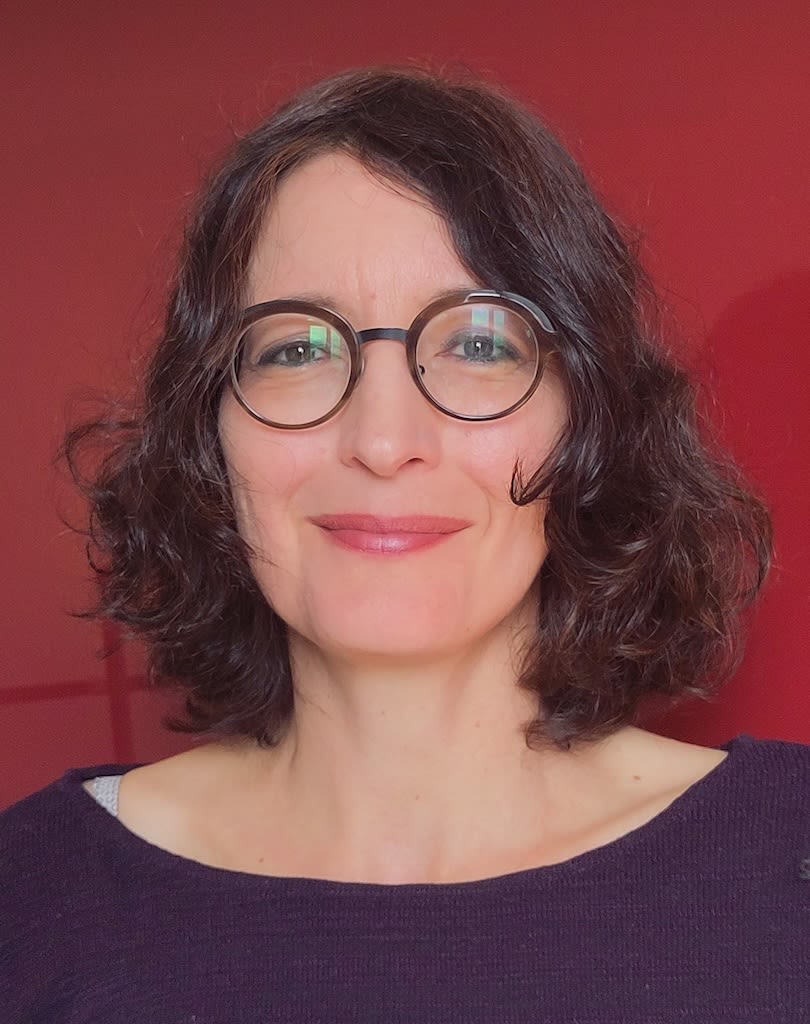
Vice-President of the Council for Scientific Integrity
Prof. ass. Christine Clavien
After completing a doctorate in moral philosophy and philosophy of science at the Universities of Neuchâtel and Paris I, followed by a postdoctoral fellowship at Columbia University in New York, Christine Clavien initially worked as a Senior Assistant and subsequently as a Maîtresse assistante at the Department of Ecology and Evolution of the University of Lausanne. She then joined the Institute of Ethics, History and the Humanities at the Faculty of Medicine of the University of Geneva. Her research lies at the intersection of several disciplines — particularly philosophy, biology, economics, psychology, medicine and computer science — and integrates both theoretical approaches as well as qualitative and quantitative methods. In addition, she is a member of the Swiss National Advisory Commission on Biomedical Ethics (NEC) and of the Office of the University Commission for Ethical Research in Geneva (CUREG).
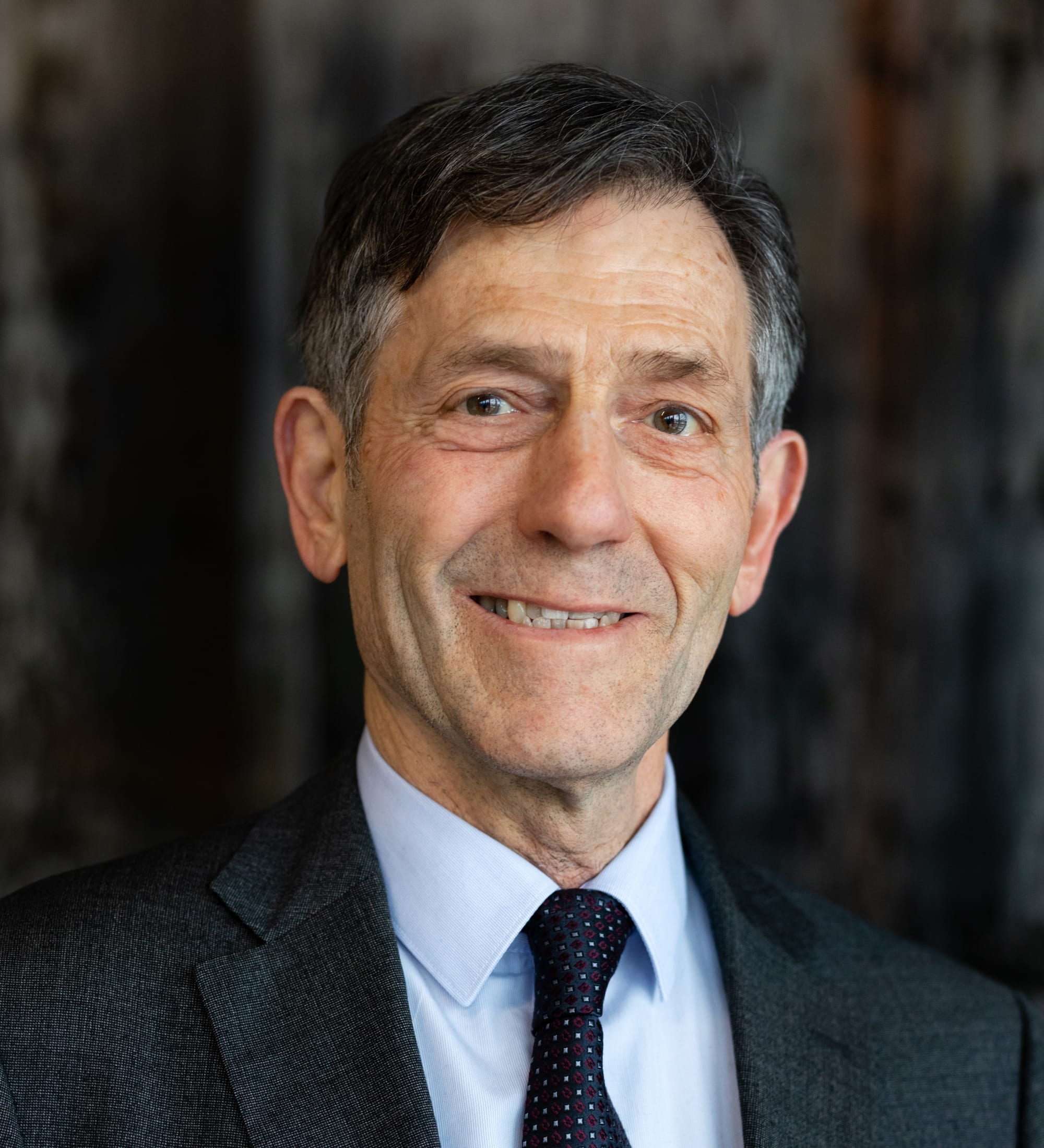
Member of the Council for Scientific Integrity
Prof. em. Dr. iur. Bernhard Ehrenzeller
Bernhard Ehrenzeller qualified as a professor of law in 1993. In 1997, he was appointed full professor of public law at the University of St. Gallen. From 1998 to 2020, he was director of the Institute for Legal Studies and Legal Practice (IRP-HSG) and from 2003 to 2011, he served as vice-rector for research. He is very active in the field of constitutional law and was particularly involved in the revision of the Federal Constitution (1999) and the higher education legislation of the Confederation (2011) and the Canton of St. Gallen (2023), as well as in the development of the legal basis for the Swiss Competence Centre for Scientific Integrity (SCCSI). From 2020 to early 2024, he was Rector of the University of St. Gallen.
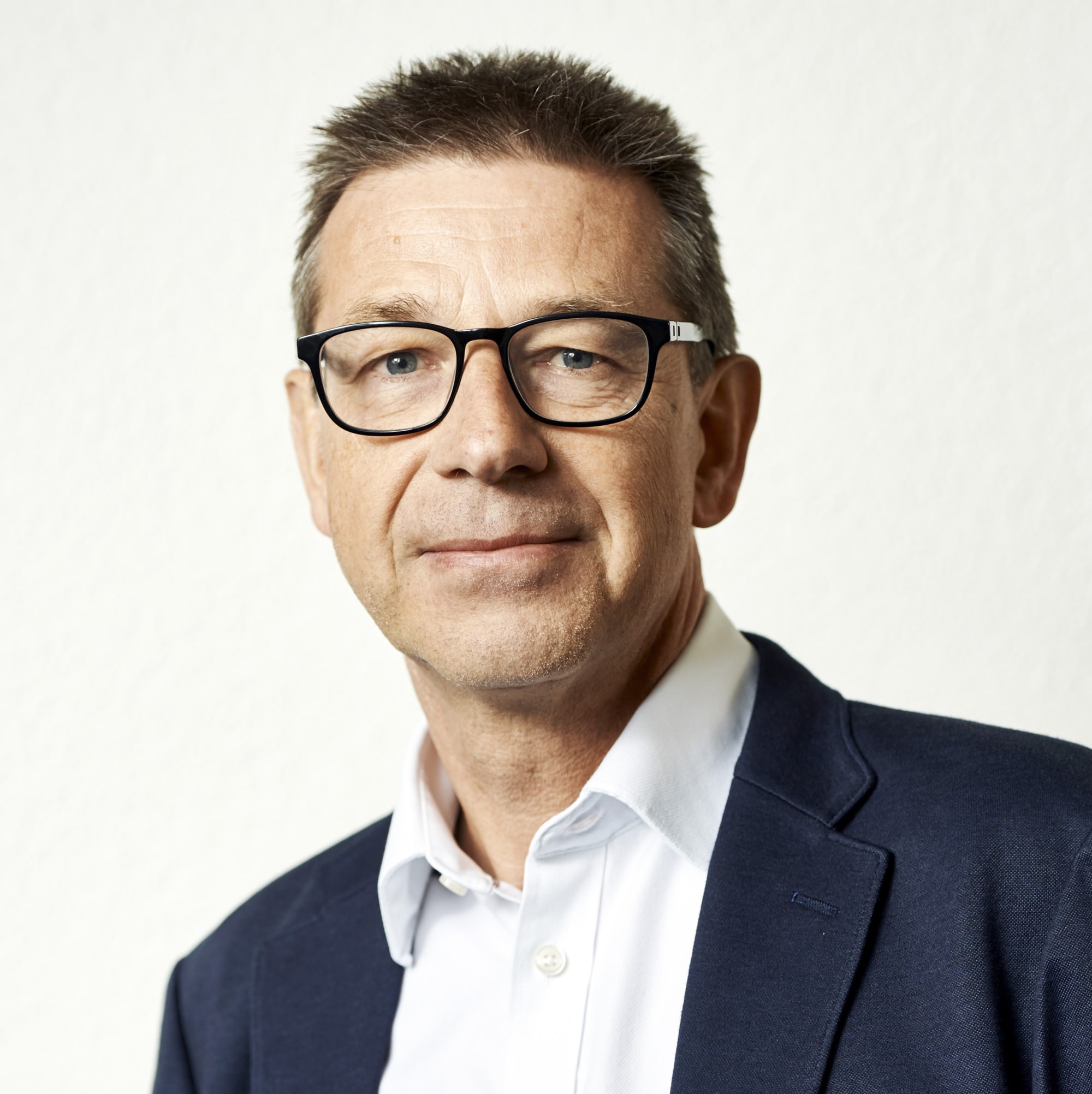
Member of the Council for Scientific Integrity
Prof. em. Dr. med. Matthias Egger
Matthias Egger studied medicine in Bern and epidemiology at the London School of Hygiene & Tropical Medicine. His research covers the clinical and public health epidemiology of HIV/AIDS, Ebola, tuberculosis and COVID-19. He gained international recognition for his work on large cohort studies, pragmatic clinical trials and meta-analyses. Methodologically, he has contributed to publication bias, reporting guidelines (STROBE, CONSORT) and network meta-analysis. From 2017 to 2024, Egger was President of the Research Council of the Swiss National Science Foundation (SNSF) and played a key role in establishing the Swiss National COVID-19 Science Task Force in 2020, of which he was the first director.
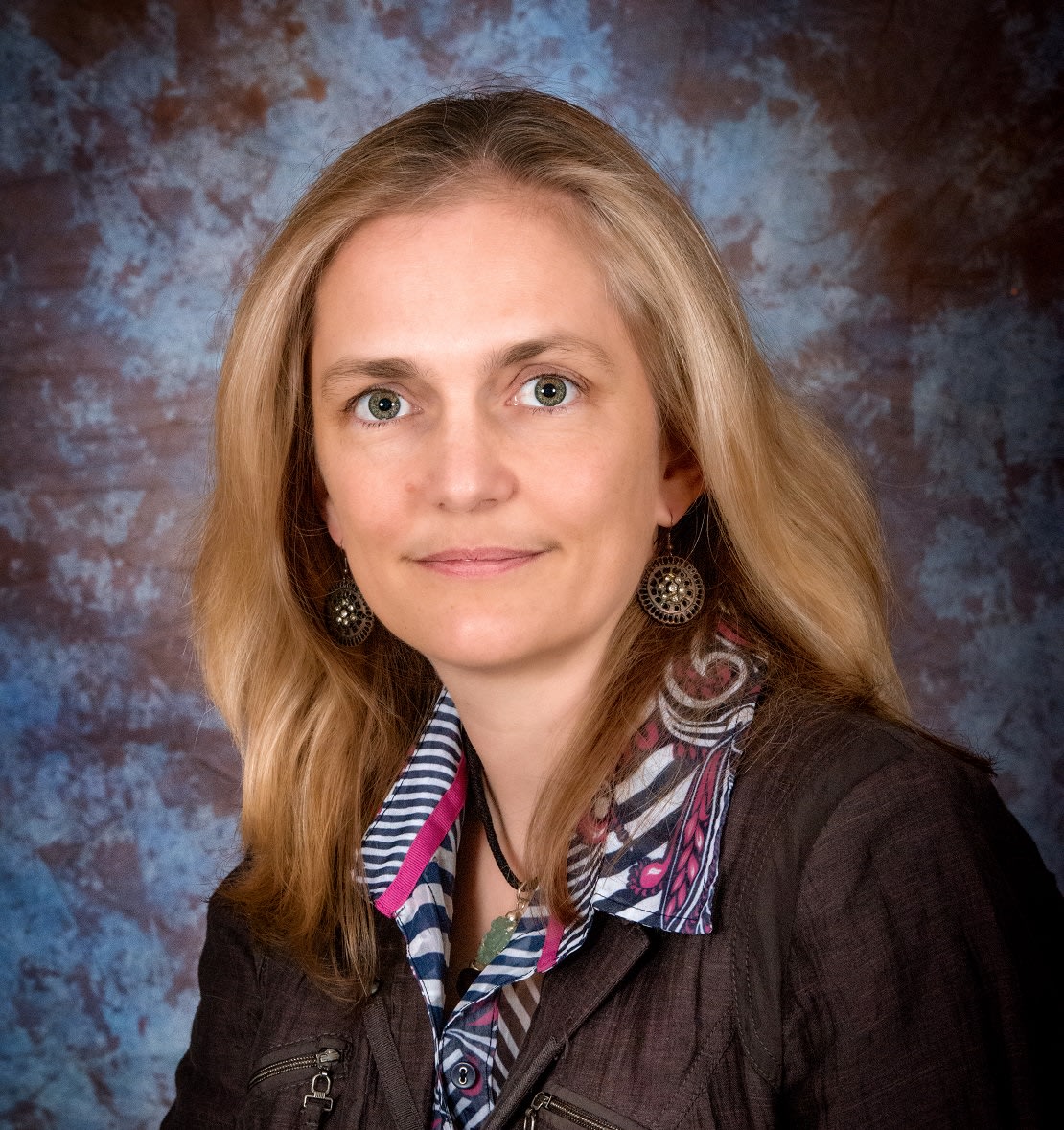
Member of the Council for Scientific Integrity
Dr. Sabine Chai
As stipulated in the ordinance, Sabine Chai is the expert on the Council who works mainly abroad. She is the managing director of the Austrian Agency for Scientific Integrity (OeAWI) since 2022. As such, she is also member of ETINED Bureau et de ENRIO. Sabine Chai studied theology, sinology and religious studies at the University of Vienna, as well as communication at San Diego State University and the University of Maryland, College Park (Ph.D. 2013), focusing on intercultural communication, negotiation, persuasion and social influence, and quantitative research methodology. She taught and conducted research at Western Kentucky University, then at icddr,b and as part of the Field Epidemiology Training Programme in Dhaka, Bangladesh.